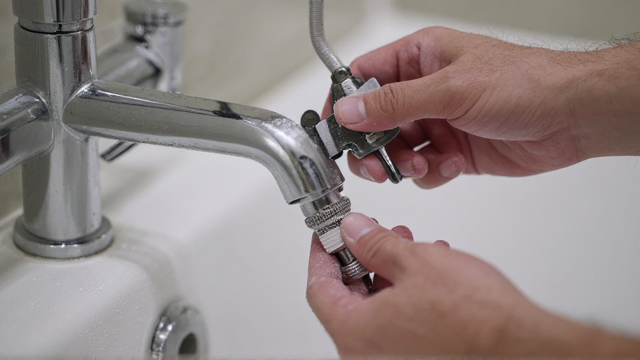
A shower diverter directs water between bathroom outlets, usually a tub spout and showerhead. It lets one plumbing supply serve more than one fixture without separate controls. Understanding the valve makes leaks, weak flow, and switching problems easier to diagnose.
A diverter changes the path water follows after it passes through the main mixing valve. It may send water to a tub spout, fixed showerhead, or handheld spray. Most problems come from mineral deposits, worn seals, damaged internal parts, or a valve that no longer closes completely.
| Key point | What homeowners should know |
|---|---|
| Main purpose | Redirects water between two or more outlets |
| Common locations | Tub spout, wall valve, or shower arm |
| Common designs | Tee, two-valve, three-valve, and multi-outlet controls |
| Warning signs | Leaking spout, weak shower flow, sticking, or incomplete switching |
| Common causes | Mineral buildup, worn seals, corrosion, or damaged parts |
| Repair difficulty | Simple spout repairs may suit DIY work; concealed valves often need a plumber |
| Typical professional repair | Current U.S. estimates commonly range from about $150 to $550 |
| Replacement decision | Depends on valve type, access, damage, and compatible replacement parts |
How Does a Shower Diverter Work?
Water first enters the main shower valve, where temperature and flow are controlled. The diverter then changes which outlet receives that mixed water. It does not normally create pressure or control temperature by itself.
In a tub-and-shower combination, water naturally exits through the lower tub spout. Engaging the diverter closes or restricts that route. Water pressure then sends the flow upward through the pipe leading to the showerhead.
This basic principle applies to several valve designs used in American bathrooms. Modern systems may also switch water between fixed heads, handheld sprays, or body sprays. More complex controls can offer several outlet combinations.
For broader bathroom planning ideas, Livingia’s Bathroom section covers related fixtures, layouts, and home-improvement topics. You can compare plumbing decisions with the room’s space, access, and design needs. That approach helps prevent choosing hardware that conflicts with the finished layout.
Common Types of Diverter Valves
The correct valve depends on the faucet arrangement and number of water outlets. Older tub-and-shower combinations often use simple mechanical designs. Newer showers may use separate cartridges or integrated controls.
Tee Diverter
A tee diverter is commonly built into the bathtub spout. You usually activate it by pulling a small knob upward. An internal gate then blocks the spout and sends water toward the showerhead.
This design is simple and easy to identify. It also places the working mechanism where homeowners can access it without opening the wall. A worn gate or mineral deposits can cause water to continue leaking from the spout.
Two-Valve Diverter
A two-valve arrangement commonly pairs one control with a second switching control. One handle may manage temperature while another selects the desired outlet. Exact layouts differ between manufacturers and fixture generations.
This design keeps the outlet selector separate from normal temperature adjustment. That separation can make operation clear once you know which control performs each task. Internal cartridges or seals may require model-specific replacement parts.
Three-Valve Diverter
Three-valve systems often appear with separate hot and cold handles. A third handle sits between them and controls the water’s destination. Turning that center control sends the mixed water toward the tub or shower.
These systems are common in older bathroom configurations. Repair work can involve stems, seats, washers, or other internal components. Matching replacement parts to the existing valve is important before disassembly.
Multi-Outlet and Transfer Controls
Modern showers may include a fixed head, rain head, handheld spray, and other outlets. Their control systems can switch between individual outlets or permitted combinations. Manufacturers may call these products diverters, transfer valves, or integrated shower controls.
A transfer valve can differ from a basic diverter because some models operate multiple outlets together. The exact combinations depend on the valve body and trim. Check the manufacturer’s specifications before assuming several fixtures can operate simultaneously.
Shower Diverter Problems and What They Mean
A failing valve often gives several warning signs before it stops working. Water may continue pouring from the tub spout after you select the shower. The showerhead may also receive noticeably less flow.
Mineral deposits are a common cause in homes with hard water. Deposits can interfere with a gate, cartridge, or seal and stop it from moving freely. Cleaning accessible parts may restore normal operation when nothing is physically broken.
Worn washers, seals, springs, or cartridges can create similar symptoms. Corrosion can also make a handle difficult to move or prevent a tight seal. Damaged parts usually need replacement rather than repeated cleaning.
Livingia’s Plumbing section is a useful place to continue researching household water-system issues. Related plumbing problems can sometimes resemble a diverter failure. Checking the broader system can prevent replacing the wrong component.
Why Water Still Comes From the Tub Spout
A small amount of water during the switch may not indicate a major fault. A steady stream after the shower is fully selected deserves closer inspection. It means the valve may not be blocking the tub outlet completely.
Start by checking for visible mineral buildup around an accessible spout mechanism. Then confirm that the knob or handle travels through its full normal range. Forcing a stuck control can damage internal parts and make the repair more difficult.
If cleaning does not help, the gate, seal, or cartridge may be worn. Replacement requirements vary by faucet design and manufacturer. Concealed wall valves should be approached carefully because leaks behind finished surfaces can cause hidden damage.
How to Troubleshoot a Basic Tub-Spout Diverter
Simple tub-spout mechanisms are among the easiest designs to inspect. Confirm the exact spout attachment before removing anything. Some threaded models twist off, while slip-on versions use a set screw underneath.
Follow these basic checks:
- Turn off the water before disassembling plumbing components.
- Identify whether the tub spout is threaded or secured with a set screw.
- Remove the spout without twisting or damaging the supply pipe.
- Inspect the gate and moving parts for deposits, corrosion, or obvious damage.
- Clean removable mineral deposits without damaging sealing surfaces.
- Replace the correct washer, gate, or spout when parts are worn.
- Reassemble the fixture and test both tub and shower operation.
A repair guide should never override the fixture manufacturer’s instructions. Different valve bodies can require specific cartridges, tools, or installation methods. Stop if the repair requires opening a wall or working with an unfamiliar concealed valve.
The same planning principle matters during a wider bathroom renovation. Livingia’s guide to a sliding bathroom door shows how fixture placement and available space affect bathroom usability. Plumbing controls should also remain accessible after other remodeling work is finished.
When Cleaning Is Enough and When Replacement Makes Sense

Cleaning is reasonable when the mechanism moves poorly because of visible deposits. It can also help when the valve is otherwise intact and compatible parts show no damage. The improvement should be clear after reassembly and testing.
Replacement makes more sense when seals are torn, metal parts are corroded, or the mechanism will not stay engaged. Repeated leaks after cleaning also suggest that parts are worn. A damaged tub-spout model may be simpler to replace as one complete unit.
Concealed valves require more caution. Access, trim compatibility, and replacement-cartridge availability can all affect the job. A licensed plumber can also determine whether the problem lies elsewhere in the plumbing system.
How Much Does Repair or Replacement Cost?
Current U.S. pricing varies widely because the word “diverter” covers several designs. Angi reports roughly $20 to $200 for some replacement situations and parts. Its 2026 repair guide places professional shower-valve work around $150 to $550, depending on the job.
Labor becomes more expensive when the valve sits behind finished tile or wallboard. Matching discontinued parts can also increase the time needed for a repair. A simple accessible tub-spout replacement usually involves less work than changing a concealed valve body.
Get an itemized estimate when professional work is required. Ask whether the quote includes the valve, trim, wall access, finish repairs, and testing. Comparing the complete scope matters more than comparing one headline price.
Choosing a Shower Diverter for a Remodel
Start by counting the outlets you want to control. A basic tub and fixed showerhead need a different setup than a rain head and handheld spray. Decide whether outlets must run separately or together.
Next, choose compatible valve bodies and trim from the same approved system. Similar-looking handles do not guarantee cartridge or rough-in compatibility. Manufacturer documentation should identify supported outlet combinations and required components.
Think about service access before the wall is closed. Future cartridge replacement becomes easier when the valve and plumbing connections are sensibly positioned. Good planning can reduce demolition during later repairs.
Bathroom upgrades also need to work as one system rather than separate purchases. Livingia’s Home Appliances section includes additional household improvement ideas that can support renovation planning. Consider maintenance, cleaning access, and daily use alongside appearance.
Diverter Valve Versus Main Shower Valve
The main shower valve usually controls water temperature and sometimes flow volume. A diverter controls where that water goes after mixing. Combining both functions within one trim assembly can make the distinction less obvious.
This difference matters during diagnosis. Temperature swings do not automatically mean the outlet selector has failed. Likewise, a tub spout that leaks while showering may not require replacement of the temperature-control valve.
Modern integrated systems can package several controls together. Always identify the exact valve before buying parts. Photos of the trim and internal cartridge can help when matching an older fixture.
Maintenance Tips That Can Reduce Problems
Keep the tub spout and shower outlets free from heavy scale buildup. Hard-water deposits can restrict movement and interfere with sealing surfaces. Use cleaning methods approved for the fixture’s finish.
Operate the control through its normal range instead of forcing it. Stiff movement can signal deposits, corrosion, or internal wear. Addressing resistance early may prevent broken handles or damaged cartridges.
Watch for changing water behavior after maintenance or remodeling. New leaks, reduced flow, or incomplete switching deserve attention. Catching a small plumbing problem early can help protect walls and finishes from water exposure.
Frequently Asked Questions
What is a shower diverter used for?
A shower diverter redirects water from one outlet to another. A common example switches water from a bathtub spout to an overhead showerhead. Modern systems can also select handheld sprays, rain heads, and other shower outlets.
Is it normal for water to come from the tub spout while showering?
A brief amount during switching can occur in some systems. Continuous or substantial flow usually means the valve is not sealing completely. Mineral deposits, worn parts, or a damaged mechanism are common possibilities.
How long does a shower diverter last?
There is no universal lifespan because water quality, design, and usage vary. Seals and cartridges can wear before the surrounding fixture does. Maintenance and replacement-part availability also affect how long the installed system remains practical.
Can I replace a diverter myself?
An accessible tub-spout model may be manageable for someone comfortable with basic plumbing work. Concealed valves and cartridge systems can require special tools or exact replacement parts. Hire a plumber when the work involves wall access, uncertain valve identification, or hidden leakage.
Does a diverter control water temperature?
Normally, no. The main mixing or thermostatic valve handles temperature before water reaches the outlet selector. Integrated trim can place both controls together, which sometimes causes confusion.
Final Takeaway
A working outlet selector should direct water cleanly without excessive leaking, sticking, or lost flow. Identifying the valve type is the most useful first step before cleaning or buying replacement parts. It also helps you decide whether a repair is suitable for DIY work.
Simple tub-spout designs may need cleaning, a small replacement part, or a new spout. Concealed and multi-outlet systems can require more specialized service. Use model-specific instructions and professional help whenever access or diagnosis becomes uncertain.
For more bathroom and household improvement guidance, explore Livingia’s related home sections before planning your next project. Matching plumbing hardware to the complete bathroom layout can make future maintenance easier. It also helps the finished room work as well as it looks.